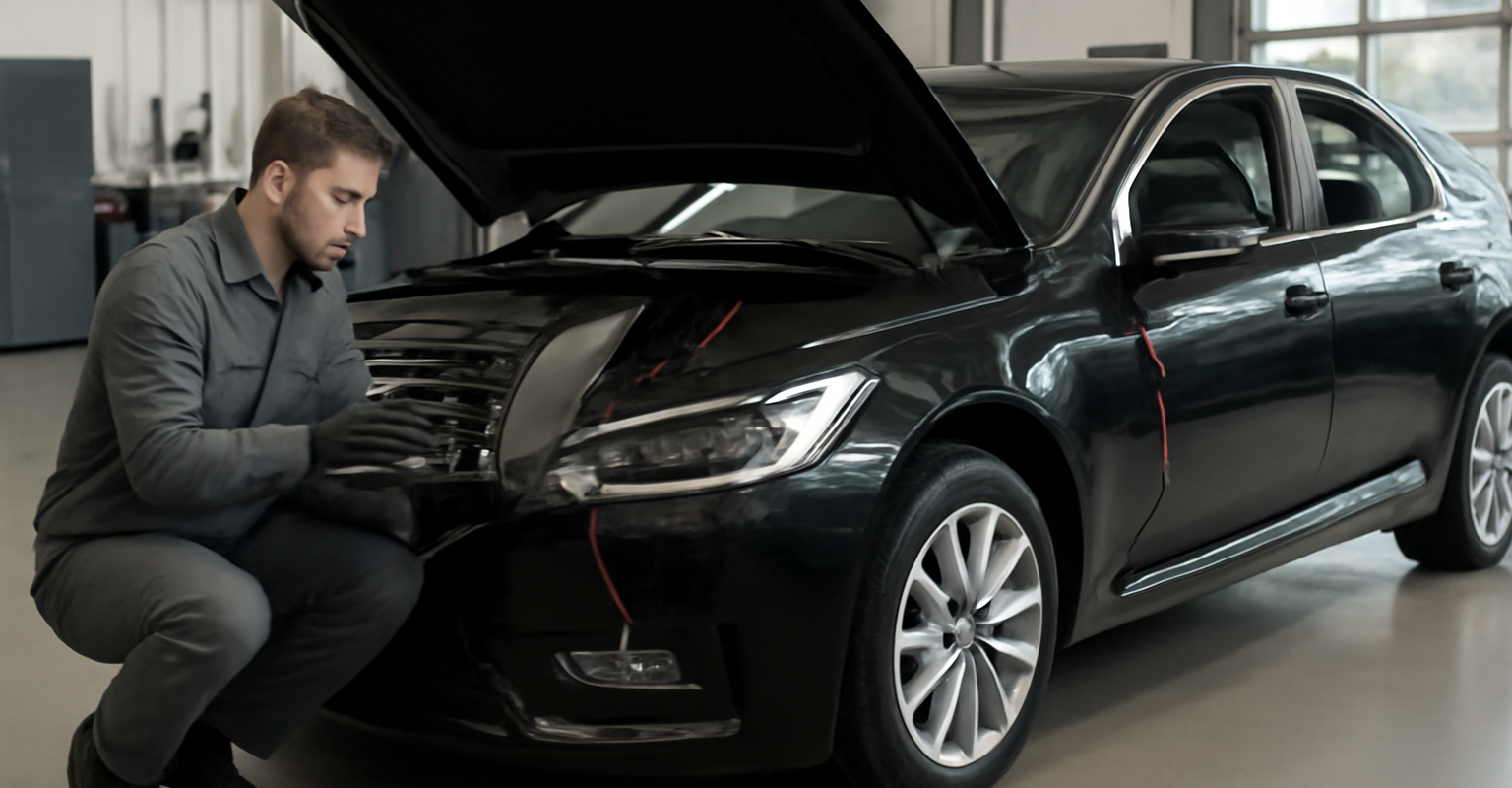
The Kia Cadenza — sold in some markets as the K7 — is a comfortable full-size sedan packed with electronics, from its infotainment system to advanced driver-assistance features. All that technology relies on a healthy electrical system, and when something goes wrong, the symptoms can range from a slightly annoying warning light to a car that simply won’t start. This guide explains the electrical and diagnostic issues Cadenza owners see most often, how they’re diagnosed, and what you can do about them.
How the Cadenza’s Electrical System Works
Your Cadenza runs on a network of interconnected computers called modules, tied together by a communication system known as the CAN bus (Controller Area Network — the “nervous system” that lets modules talk to each other). Power comes from the 12-volt battery, which is kept charged by the alternator while the engine runs. When any of these components fails, problems can appear in places that seem unrelated to the actual fault.
Common Electrical Symptoms on the Kia Cadenza (K7)
Electrical faults rarely announce themselves clearly. Here are the signs Cadenza owners most often report:
- Hard or no starting: A slow crank or repeated clicking usually points to a weak battery, corroded terminals, or a failing starter.
- Battery drain overnight: A dead battery after the car sits is often a “parasitic draw” — a module or accessory that stays awake and drains power when the car should be asleep.
- Dashboard warning lights: Battery, ABS, airbag, or check-engine lights can all be triggered by electrical faults or low system voltage.
- Flickering lights or dimming displays: Frequently a sign of a struggling alternator or a loose ground connection.
- Infotainment or camera glitches: Screens that freeze, reboot, or lose the backup camera often trace back to power supply or software issues.
- Power window, lock, or seat failures: Usually a switch, motor, relay, or fuse rather than the whole system.
How Electrical Problems Are Diagnosed
Proper diagnosis is what separates a real fix from throwing parts at the problem. A mechanic will typically:
- Scan for trouble codes: A diagnostic scan tool reads stored codes (DTCs) from the engine and other modules to point toward the affected system.
- Test the battery and charging system: Measuring voltage and load confirms whether the battery holds a charge and the alternator is doing its job.
- Check for parasitic draw: Using a meter, the technician measures current while the car is asleep to find what’s draining the battery.
- Inspect grounds and connectors: Corrosion and loose connections cause many intermittent faults that codes alone won’t reveal.
Because a single stored code can have several possible causes, hands-on testing matters. Replacing a battery won’t help if the real culprit is a bad alternator or a hidden power drain.
What You Can Check Yourself
Before booking a visit, it’s worth confirming a few basics: look for corrosion (white or green buildup) on the battery terminals, make sure the terminals are tight, and check whether a specific fuse is blown for a dead accessory. Beyond that, electrical diagnostics on a modern Kia usually require the right tools and experience to avoid guesswork.
Book a Mobile Mechanic for Your Kia Cadenza
Electrical gremlins are frustrating, but they don’t have to mean a trip to the shop or a tow. Novo Repairs sends a certified mechanic to your home or workplace with the diagnostic equipment to test your Cadenza’s battery, charging system, and modules on the spot — and to explain exactly what they find before any work begins. Book a mobile electrical and diagnostics appointment with Novo Repairs and get a clear, honest answer without leaving your driveway.
Book Your Service Today
Contact Novo Repairs now for reliable mobile service. Our team will identify the issue and get your car running again with professional, on-site service you can trust.
Speak with our team to schedule service and receive a quote.