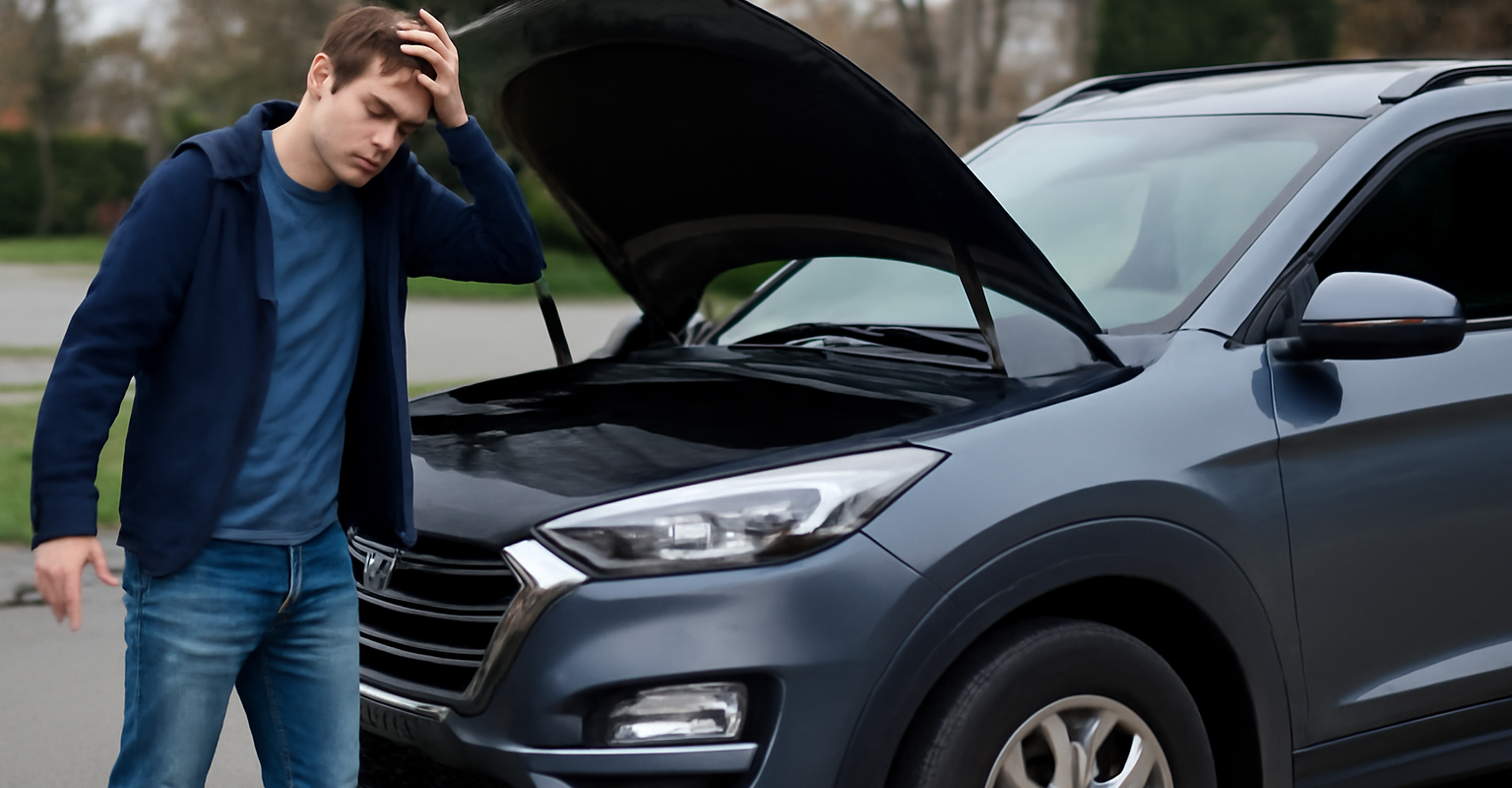
Few things are as frustrating as turning the key or pressing the start button in your Hyundai Tucson and getting nothing—or a series of clicks. The good news is that a no-start problem is almost always traceable to one of a handful of common causes. Understanding what’s happening can help you avoid a needless tow and get back on the road faster. Below, we walk through the most likely reasons a Tucson won’t start and what you can do about each one.
Listen to What Your Tucson Is Telling You
The sound (or silence) your Tucson makes when you try to start it is the single best clue to the underlying problem. Pay attention to these three scenarios:
- Rapid clicking, but no crank: This usually points to a weak or dead battery, or corroded battery connections.
- A single click or nothing at all: Often a faulty starter motor or a bad electrical connection.
- The engine cranks but won’t fire: The battery is fine, but the engine isn’t getting fuel, spark, or a proper signal from a sensor.
1. A Weak or Dead Battery
The most common reason any vehicle won’t start is the battery. In the Tucson, a battery typically lasts three to five years. Signs of a failing battery include dim headlights, slow-cranking, and dashboard warning lights that flicker when you turn the key.
Cold weather, leaving lights or accessories on, or a small parasitic drain (electrical draw when the car is off) can all leave you with a dead battery. A jump-start may get you going temporarily, but if the battery is old, it’s likely due for replacement.
2. Corroded or Loose Battery Terminals
Even a healthy battery can’t do its job if the connections are dirty or loose. Check the two terminals where the cables attach to the battery. A white, blue, or greenish powdery buildup indicates corrosion, which blocks the flow of electricity. Cleaning the terminals and tightening the clamps can sometimes fix an intermittent no-start.
3. A Failing Starter Motor
The starter is the motor that physically turns the engine over. If you hear a single loud click—or a whirring sound without the engine turning—the starter may be worn out. Starters usually fail gradually, so occasional hard starts can be an early warning sign.
4. Key Fob or Smart Key Issues
Many Tucson models use a push-button start with a smart key. If the fob battery is dead, the vehicle may not recognize it. Try holding the fob directly against the start button while pressing the brake—most Hyundais have a backup detection zone for exactly this situation.
5. Fuel, Spark, or Sensor Problems
If the engine cranks steadily but never fires up, the issue is usually related to fuel delivery, ignition, or a sensor. A failing fuel pump, a clogged fuel filter, or a faulty crankshaft position sensor can all prevent the engine from starting. These problems typically require diagnostic tools to confirm.
Quick Checks Before You Call for Help
- Make sure the Tucson is in Park (or Neutral) and the brake is pressed.
- Confirm you’re not out of fuel—it happens more often than you’d think.
- Try a spare key fob or replace the fob battery.
- Inspect the battery terminals for corrosion or looseness.
Get Your Hyundai Tucson Diagnosed at Home
A no-start problem doesn’t have to mean a stressful trip to the shop. Novo Repairs sends certified mobile mechanics directly to your home or workplace to diagnose and fix your Tucson on the spot—with transparent, upfront communication every step of the way. If your Hyundai Tucson won’t start, book a mobile mechanic with Novo Repairs and let us come to you.
Book Your Service Today
Contact Novo Repairs now for reliable mobile service. Our team will identify the issue and get your car running again with professional, on-site service you can trust.
Speak with our team to schedule service and receive a quote.